Archives
- 2026-05
- 2026-04
- 2026-03
- 2026-02
- 2026-01
- 2025-12
- 2025-11
- 2025-10
- 2025-09
- 2025-03
- 2025-02
- 2025-01
- 2024-12
- 2024-11
- 2024-10
- 2024-09
- 2024-08
- 2024-07
- 2024-06
- 2024-05
- 2024-04
- 2024-03
- 2024-02
- 2024-01
- 2023-12
- 2023-11
- 2023-10
- 2023-09
- 2023-08
- 2023-07
- 2023-06
- 2023-05
- 2023-04
- 2023-03
- 2023-02
- 2023-01
- 2022-12
- 2022-11
- 2022-10
- 2022-09
- 2022-08
- 2022-07
- 2022-06
- 2022-05
- 2022-04
- 2022-03
- 2022-02
- 2022-01
- 2021-12
- 2021-11
- 2021-10
- 2021-09
- 2021-08
- 2021-07
- 2021-06
- 2021-05
- 2021-04
- 2021-03
- 2021-02
- 2021-01
- 2020-12
- 2020-11
- 2020-10
- 2020-09
- 2020-08
- 2020-07
- 2020-06
- 2020-05
- 2020-04
- 2020-03
- 2020-02
- 2020-01
- 2019-12
- 2019-11
- 2019-10
- 2019-09
- 2019-08
- 2019-07
- 2019-06
- 2019-05
- 2019-04
- 2018-07
-
A two way chi square test was
2022-04-19
A two-way chi-square test was used to determine statistically significant differences between corresponding frequencies of GT results for the 2 testing periods. A p value of Results Distribution of HCV GT results obtained during the 2 study periods are shown in Table 1. While very low frequencies
-
The absence of direct oxidation of Fe
2022-04-18
The absence of direct oxidation of Fe2+ by L1 in experiments in solution would be consistent with the recognized low O2 affinity of sGC. It is known that, in CCT251545 with other hemoproteins, such as globins and heme-containing oxygenases with a Fe2+-proximal histidine linkage, sGC prevents oxidati
-
Both GPR A and GPR are located on chromosome q
2022-04-18
Both GPR109A and GPR81 are located on chromosome 12q24 [3] and mediate anti-lipolytic effects through coupling to Gi-type G proteins [17]. It is important to note that with the recent deorphanization of these receptors, there has been a recommendation to the International Union of Basic and Clinical
-
Amphotericin B Considering that loss of LAG expression resul
2022-04-18
Considering that loss of LAG-3 Amphotericin B results in increased CD4+ T cell homeostatic expansion, and that the ability of a cell to proliferate is tightly coupled to its metabolic profile, we hypothesized that LAG-3 regulates naive CD4+ T cell metabolism. Our results indicate that, indeed, Lag3-
-
br Materials and methods br Results br Discussion Nervous sy
2022-04-18
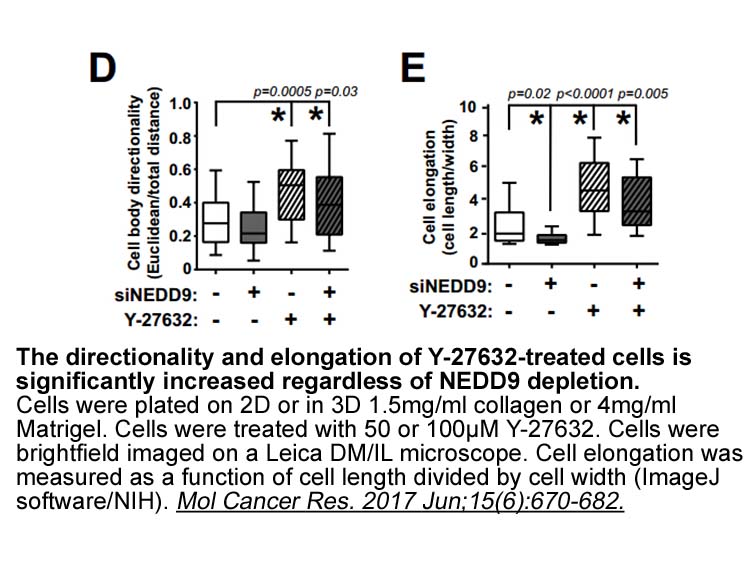
Materials and methods Results Discussion Nervous system disease is an important signal of AIDS deterioration (Rosca et al., 2012, Yilmaz et al., 2012). It is possible that HIV crosses the blood UCM05 barrier or blood cerebrospinal fluid barrier into the central nervous system freely or via
-
The original Bee Synch methodology now termed Bee
2022-04-18
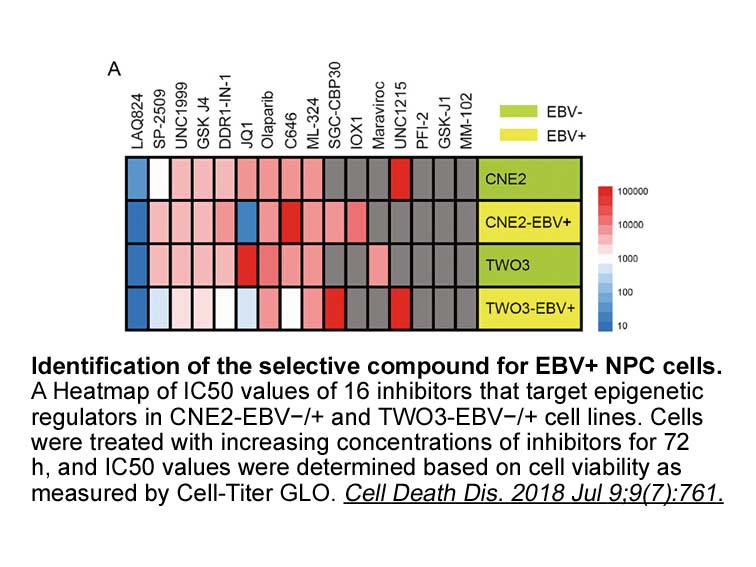
The original Bee Synch methodology (now termed Bee Synch I) utilizes a 5-day CIDR, GnRH (GnRH-1) and PGF on day 0, double dose of PGF on day 5, and FTAI with GnRH (GnRH-2) at 66 h after CIDR removal. Cruppe et al. (2014) reported that the inclusion of GnRH on day does not contribute appreciably to f
-
We also explored various nitrogen substituents
2022-04-18

We also explored various nitrogen substituents with an aim toward modulating sterics and basicity within the ABH series. No glycine uptake inhibition was detected with non-basic bicycles (data not shown). Isopropyl was the best compromise between desired on-target effect and clearance, however, eff
-
br Acknowledgements We thank LetPub www letpub com for
2022-04-18
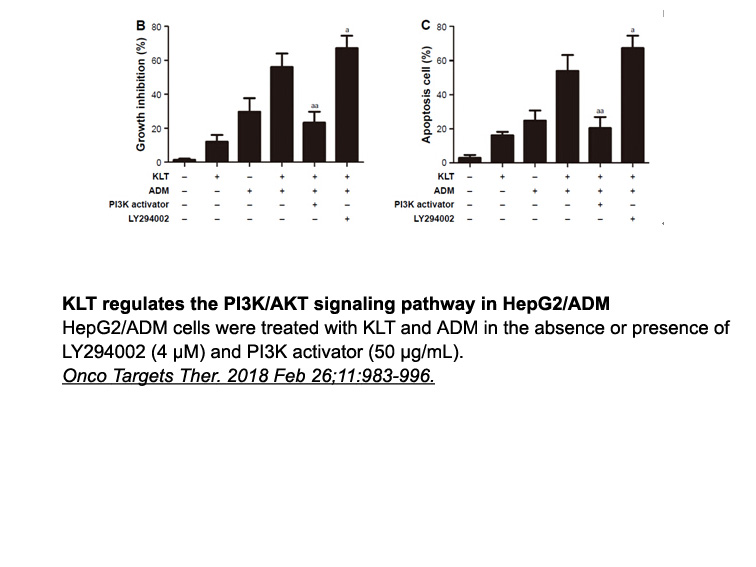
Acknowledgements We thank LetPub (www.letpub.com) for its linguistic assistance during the preparation of this manuscript. This work was funded by National Natural Science Foundation of Beijing (No. 7122187), and Special fund for clinical research of Chinese Medical Association (No. 13040700455).
-
Na K ATPase adenosine triphosphate ATP
2022-04-18
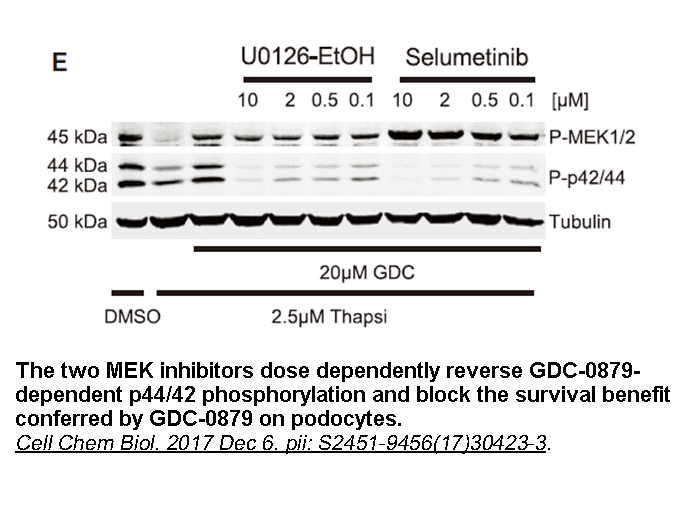
Na+/K+-ATPase, caspofungin australia and astrocytic glutamate transporters act together to maintain sodium and potassium gradients and the proper activities of EAAT1 and EAAT2 (Rose et al., 2009; Sheean et al., 2013); nevertheless, in present study, Na+/K+-ATPase activity was shown to be increased a
-
Having shown that some of substitutions
2022-04-18
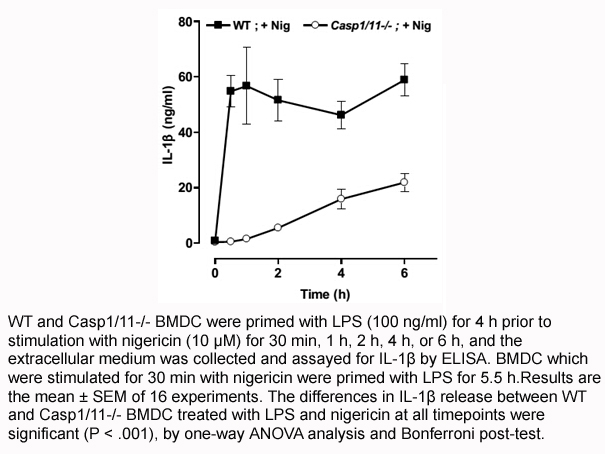
Having shown that some of substitutions (Cl, CF) at the 2-position of the thiophene improved rat microsomal stability, and polar groups at the 4-position of the aryl ring had a beneficial effect on stability in both human and rat microsomes, we combined these features in a new set of analogs. Methyl
-
Previous reports have showed that
2022-04-18
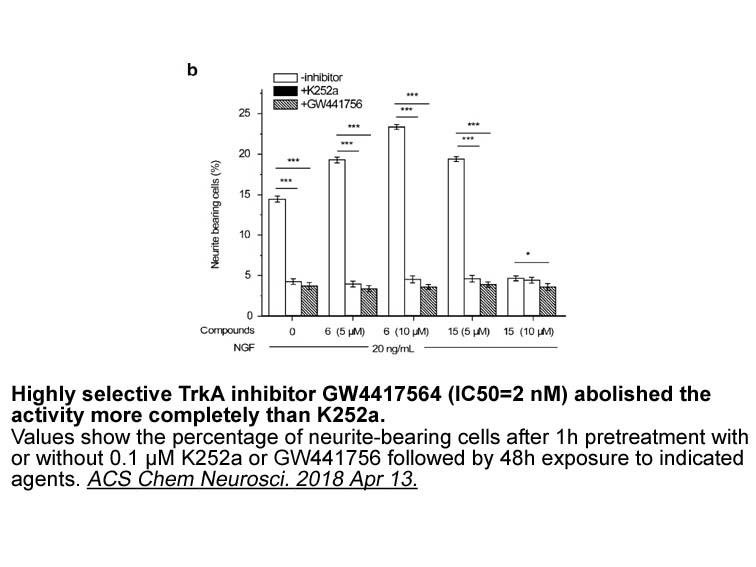
Previous reports have showed that the expression and localization of GLUT8 in mouse (Gómez et al., 2006; Kim and Moley, 2007), rat (Ibberson et al., 2002) and human (Schürmann et al., 2002). In this study, GLUT8 protein mainly localized in the spermatocytes, elongated and round spermatids in the adu
-
It is notable that pharmacological or genetic inhibition
2022-04-18
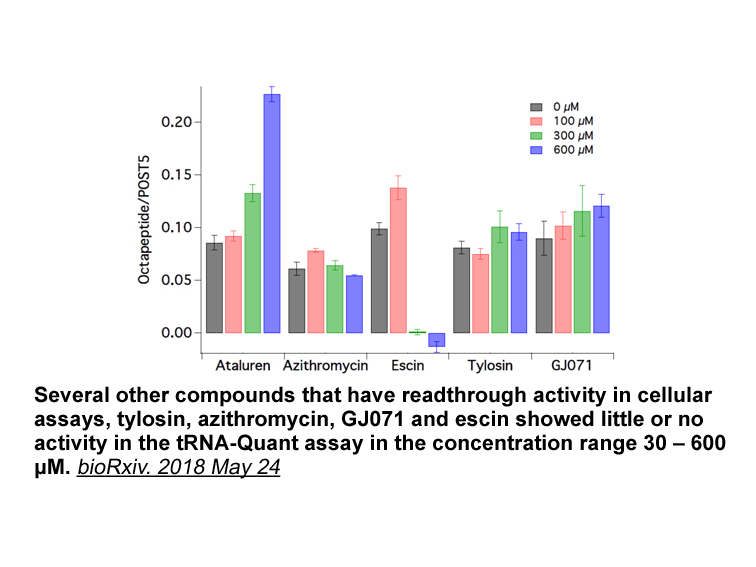
It is notable that pharmacological or genetic inhibition of GCGR signaling results in the engagement of a number of compensatory mechanisms that potentially impact glucose control. These include alpha-cell hyperplasia [2], [11], [12], [13] and increased beta-cell proliferation under low insulin cond
-
According to the aforementioned preclinical and
2022-04-18
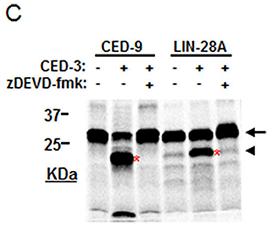
According to the aforementioned preclinical and clinical data, GHS-R1a blockade appears to be a potential pharmacological approach to treat AUD. Given that GHS-R1a has high constitutive (ligand-independent) activity, inverse agonism of the receptor may exert more potent and desirable effects than pu
-
We and others have previously reported that neurons generate
2022-04-18
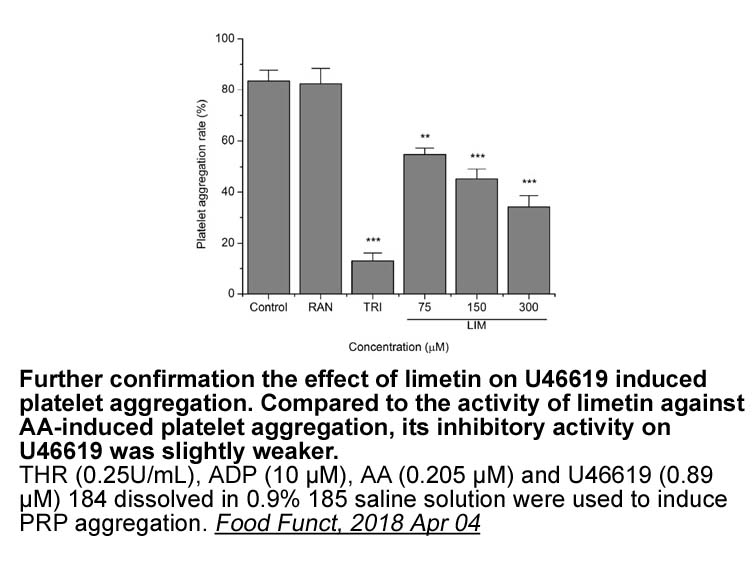
We and others have previously reported that neurons generated from iPSCs with genetic forms of AD recapitulate aspects of the disease, including increased Aβ peptide production in trisomy 21 and APP duplication neurons (Moore et al., 2015, Israel et al., 2012) and increased production of longer form
-
dpp-iv inhibitors The active site of PS is
2022-04-18
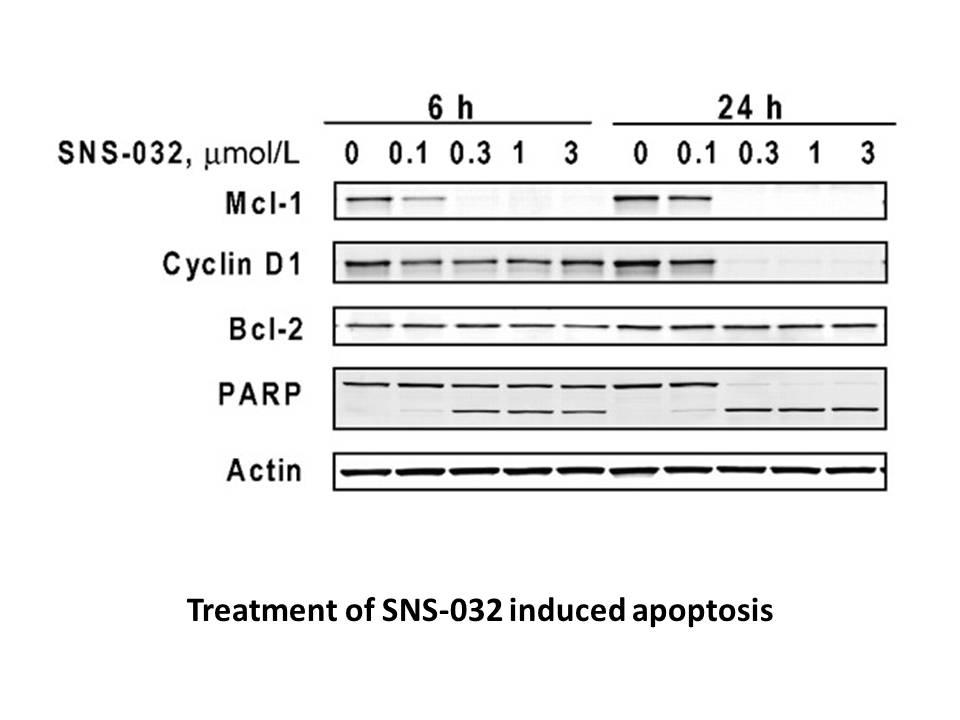
The active site of PS1 is located at the interior of its TM horseshoe-like fold (29) (Fig. 1). TM2 and TM6 serve as “doors” for substrate entry (30), as also observed in recent molecular dynamics (MD) simulations of the PS1 subunit (31). Recent coarse-grained (CG) and atomic simulations also showed
16255 records 497/1084 page Previous Next First page 上5页 496497498499500 下5页 Last page